

Newsroom
Go backHow to choose the right glass for your project?
15-01-2025
There's no building without at least some elements requiring glass. It's found in windows, often doors, and is a key element of interior design. Some buildings use glass as the foundation of their facades. Glass has many uses and is divided into different types, fulfilling different functions. So what does the process of selecting glass for a specific project look like?
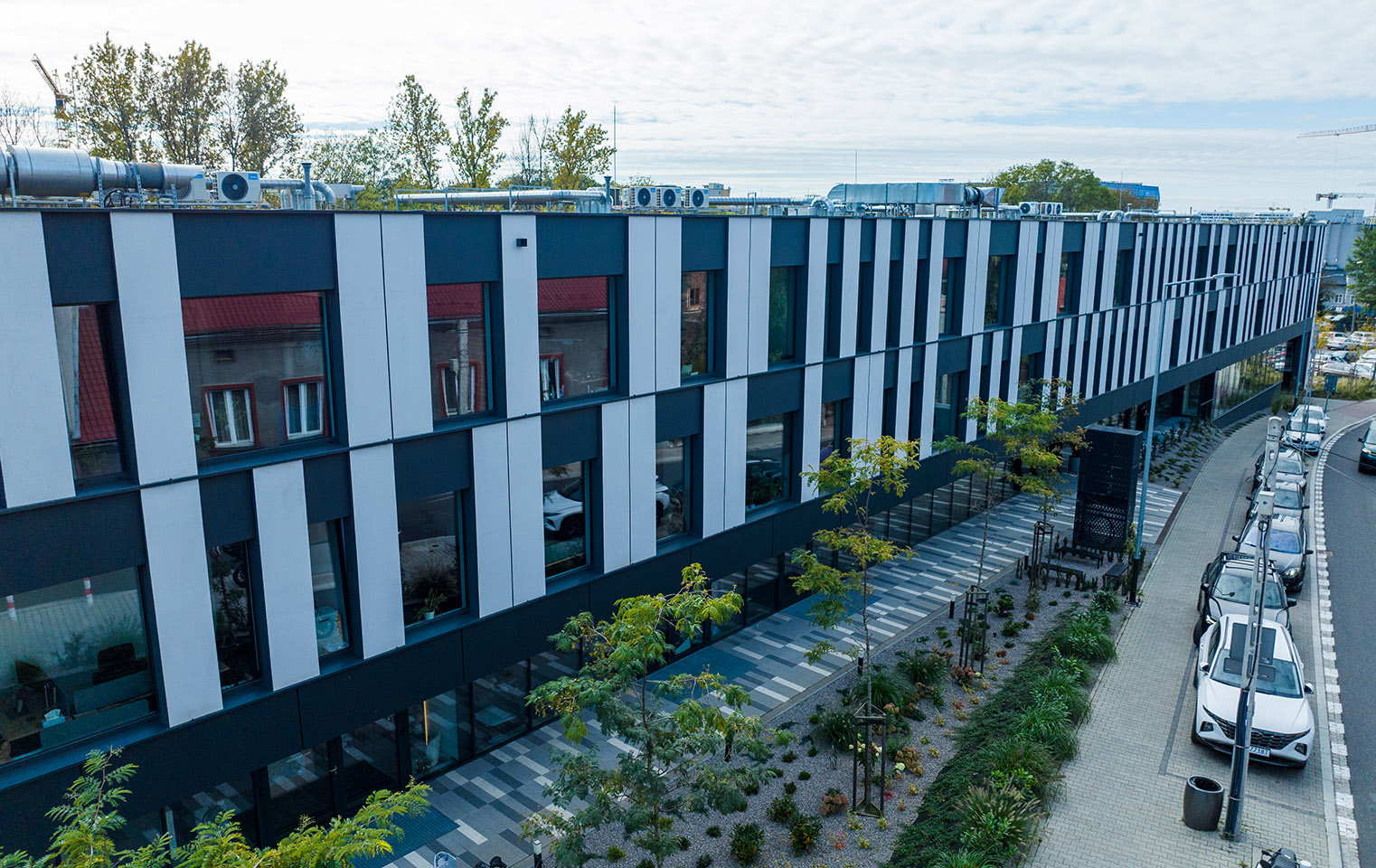
Step 1 – Analyze the Environment
This is the starting point. Different types of glass will work well in sunny areas, while others will work well in cold climates. In the former case, it’s worth using solar-protective, reflective glass, preferably with a UV coating. In the latter case, proper thermal insulation will be crucial, meaning glass resistant to condensation and temperature fluctuations. Many manufacturers offer self-cleaning glass, which is ideal for cities with high dust or smog levels.
Step 2 – Determine the function of the glass
This is another important aspect. If you want to protect against heat loss, thermally insulated glass with a low heat transfer coefficient is an excellent choice. However, if noise is a concern, it’s worth choosing glass additionally laminated with acoustic foil. If you need to ensure greater safety in your facility, it’s worth choosing tempered glass – it’s more resistant to mechanical damage and harsh weather conditions. If privacy is a priority, frosted glass or glass with a coating that reduces transparency is the ideal solution. This will give you a sense of freedom, even in the most glazed spaces.
Each type of glass has its own specific properties, which can, and often even should, be combined appropriately.
Step 3 – Understand Your Project
This point also relates to the intended use of glass in your project. You need to select the appropriate thickness and dimensions of the glass to accommodate loads such as wind, its own weight, and even stresses. Another element is the structural requirements defined by building codes, which often vary by country, region, or continent. The geographic location of the building where the glass will be used often determines energy and insulation needs, allowing you to choose single-glazed glass or double- or triple-glazed units. This aspect is handled by the appropriate specialists who will advise on the appropriate package.
Step 4 – Determine Your Budget and Aesthetic Expectations
There’s no denying that glass is one of the most visually appealing building materials. Furthermore, it’s highly flexible in terms of adapting it to specific needs. You can choose, for example, body-tinted, satin-finished, sandblasted, or printed. This allows you to implement almost any design that aligns with your vision. Also, set your budget carefully. Glass prices often vary depending on its type and properties. It’s not worth skimping on quality. Such an investment will pay off over time, providing, among other things, a comfortable living environment for many years.
Step 5 – Ask an Expert
If you’re undertaking a large investment but don’t specialize in glass production, don’t skip this step. Contact a company or individual who specializes in this field. Explain your project and requirements. An expert from a glass manufacturer or supplier, or an architect, will surely be able to advise you on the type of glass that will work best for your project.
In summary, selecting the right type of glass for your project can be a challenge, especially for those who don’t specialize in this field on a daily basis. However, by following the above tips and with expert support, you can select effective glass solutions that meet the needs of your project.